Summer Capsule for Pregnancy: A Breezy, Mix-and-Match Maternity Wardrobe
A summer pregnancy wardrobe works best when it stays cool, adapts to a changing bump, and repeats outfits without feeling repetitive. A capsule approach keeps the number of pieces small while covering everyday needs—errands, workdays, appointments, and warm-weather events—using comfortable fabrics and flexible fits.
What a Pregnancy Summer Capsule Is
A pregnancy summer capsule is a small set of clothing pieces designed to combine into many outfits across several weeks. Instead of relying on one-off “perfect” looks, it’s built around repeatable formulas (top + bottom + layer + shoe) that are easy to adjust as your body changes.
- Comfort-forward: breathable fabrics, gentle waistlines, and room for growth.
- Mix-and-match first: fewer pieces, more outfit options.
- Practical for real life: quick to pack for a babymoon and simple to maintain on low-energy days.
Comfort and Safety Priorities for Hot Weather
Heat can feel more intense during pregnancy, so a good capsule starts with fabrics and fits that keep air moving and minimize friction. For warm-weather safety guidance, it’s worth reviewing the CDC’s recommendations on heat and pregnancy and the NHS overview of heat exhaustion and heatstroke.
- Choose breathable fibers (cotton, linen, viscose, bamboo blends) and skip heavy synthetics on high-heat days.
- Favor light colors, looser silhouettes, and ventilation (sleeveless cuts, wrap styles, button fronts).
- Plan for temperature swings: a light layer helps in strong indoor A/C.
- Support matters: cushioned sandals or sneakers with a stable base help as balance shifts.
- Hydration-friendly styling: outfits that are quick to change if sweating increases or nausea hits.
Hot-weather capsule priorities
| Priority | What to look for | Why it helps |
|---|---|---|
| Breathability | Cotton, linen, airy knits, loose weaves | Helps reduce overheating and discomfort |
| Adjustability | Wrap dresses, smocked panels, drawstrings, stretchy waistbands | Works across trimester changes |
| Easy on/off | Front buttons, pull-on styles, minimal fasteners | Convenient for frequent bathroom trips |
| Support | Arch support, low heel, non-slip soles | Improves comfort and stability |
| Sun protection | Light layer, hat, sunglasses | Helps manage heat and UV exposure |
A Simple 12–16 Piece Capsule (Core List)
The sweet spot for most people is 12–16 core pieces. This is enough variety to rotate outfits for a couple of weeks, while still keeping mornings simple. If laundry is easy, stay closer to 12; if it’s a hassle (or the climate is extra humid), lean toward 16.
- Tops (4–5): breathable tees/tanks, a bump-friendly button-up, and a nicer blouse for occasions.
- Bottoms (3–4): maternity shorts, a lightweight skirt, linen-blend pants, or a stretchy midi skirt.
- Dresses (2–3): one casual day dress, one “nice” dress, plus an easy throw-on T-shirt dress.
- Layer (1–2): a lightweight cardigan or linen shirt-jacket for indoor A/C; optional denim jacket for cooler evenings.
- Shoes (2): supportive sandals + comfortable sneakers (or flats with grip and cushioning).
- Extras: hat, sunglasses, and a small crossbody bag for hands-free days.
Outfit Formulas That Repeat Without Feeling Repetitive
The easiest way to avoid “nothing to wear” is to repeat a few formulas and rotate colors, textures, and accessories. These combinations are intentionally simple so you can get dressed fast and still feel put together.
- Tank + linen pants + sandals + light layer: great for stepping from heat into blasting A/C.
- Tee + midi skirt + sneakers: a reliable uniform for errands and appointments.
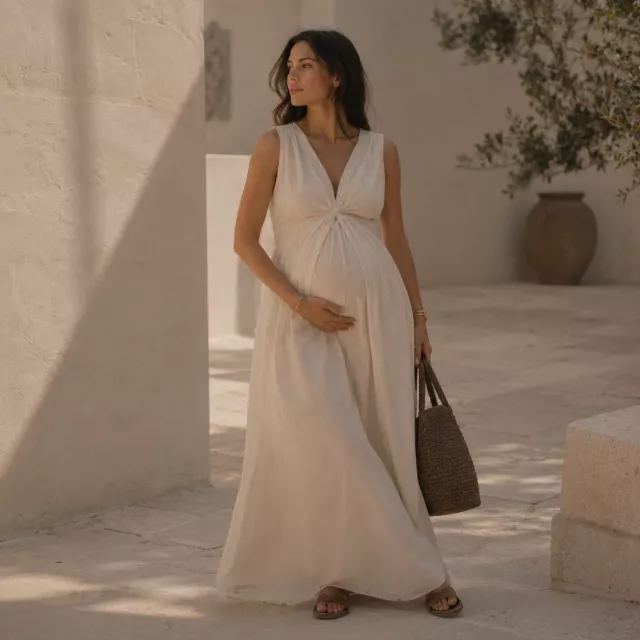
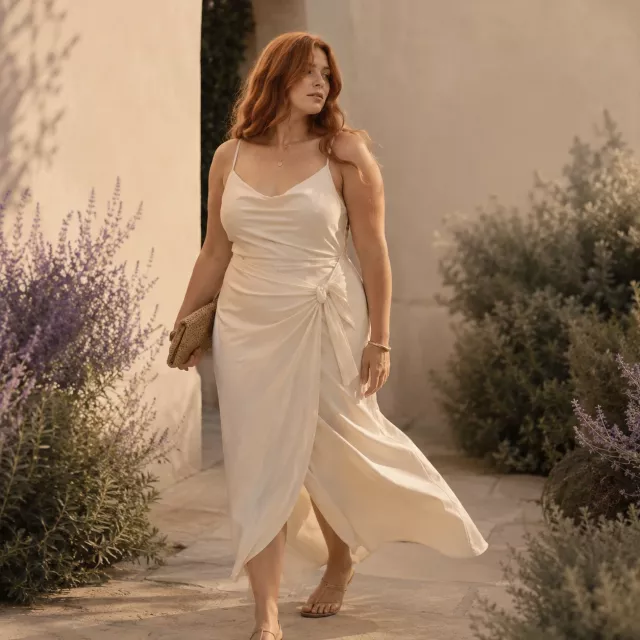
- Wrap dress + supportive sandals + hat: comfortable outdoors and instantly polished.
- Button-up (worn open) + tank + shorts + sneakers: casual, breathable, and neat.
- T-shirt dress + cardigan + flats: the “ready in 2 minutes” option for low-energy days.
- Nicer blouse + stretchy skirt + minimal jewelry: a low-effort dinner or gathering look.
Trimester-Friendly Fit Tips (So Pieces Last Longer)
A smart capsule stretches across trimesters by leaning on adjustability and skipping anything that relies on a precise waist measurement.
- Early pregnancy: keep waistlines flexible; avoid rigid buttons that might become uncomfortable later.
- Mid pregnancy: prioritize wrap ties, drawstrings, smocking, and longer tops for coverage.
- Late pregnancy: dresses and skirts with soft waistbands tend to feel easiest—especially pieces you can pull on without bending to fasten.
- Plan for swelling: choose shoe straps and sleeves that won’t pinch by late day.
- Sizing strategy: invest in a couple of true maternity bottoms for support, then let flowy tops and dresses bridge the rest.
Fabric and Care Choices for Summer Comfort
If you’re staying active, follow practical safety guidance like the American College of Obstetricians and Gynecologists (ACOG) FAQ on exercise during pregnancy, and choose outfits that won’t overheat you.
What’s Inside the Summer Capsule for Pregnancy Product
If you want the capsule approach without building it from scratch, Summer Capsule for Pregnancy is a ready-to-use plan designed around mix-and-match outfits for hot weather.
For days that lean more “camera on, comfort first,” pairing pregnancy-friendly staples with a work-ready formula can help—especially if you already use a capsule framework like Summer Capsule for Work From Home.
When This Capsule Is Especially Useful
FAQ
How many pieces are enough for a summer pregnancy capsule?
About 12–16 core pieces is usually plenty, since repeatable outfit formulas create lots of combinations. Adjust up or down based on your laundry schedule, how hot your climate is, and how often you need “nice” outfits.
Do the same items work across all trimesters?
Many tops, dresses, and skirts last through multiple trimesters when they have wrap ties, smocking, drawstrings, or soft waistbands. Bottoms often benefit from true maternity support, so a couple of maternity shorts/pants can make the rest of the capsule easier.
What fabrics feel coolest during pregnancy in summer?
Cotton, linen, lightweight viscose/rayon, and airy jersey knits tend to feel coolest because they breathe and drape well. Heavy synthetics can trap heat, so check care labels and prioritize comfort against your skin.